What is dermatomyositis?
Dermatomyositis is a rare autoimmune disease that inflames the skin and the muscles. The name describes it: derma (skin), myo (muscle), itis (inflammation) (BAD). It belongs to the group of conditions called myositis, or inflammatory myopathies, in which the immune system attacks muscle; what sets dermatomyositis apart is the rash, which usually appears before the muscle weakness (BAD, DermNet, Myositis UK). In some people the skin is the only part affected (BAD, TMA).
It is uncommon, and estimates vary: about 9 to 10 people per million live with it (BAD), and between 0.1 and 6 new cases per 100,000 people are diagnosed each year (DermNet). Women are affected about twice as often as men (DermNet, Hopkins). Adults are most often diagnosed between 40 and 60, with a peak at 50 to 60 (MedlinePlus, DermNet); children most often between 5 and 15, with a peak at 5 to 10, when it is called juvenile dermatomyositis (MedlinePlus, DermNet JDM). It is not contagious and it is not inherited, although a genetic predisposition exists (Myositis UK, DermNet).
Is dermatomyositis an autoimmune disease?
It is believed to be. The cause is unknown, but the immune system is thought to turn on the body's own small blood vessels in skin and muscle (BAD, DermNet, NHS myositis), and most patients have disease-related autoantibodies in their blood (DermNet). Reported triggers in adults include some medicines, viral infections, exposure to silica dust and an underlying cancer (DermNet, PCDS).
Skin signs: what the dermatomyositis rash looks like
The rash usually comes first. A face rash is the commonest initial sign, typically followed by scalp symptoms and then changes on the hands (DermNet). The rash is often itchy, and some people describe it as stinging or burning; it gets worse in sunlight (BAD, NORD, PCDS). On white skin it looks red or purple; on brown and black skin it looks purple or brown, and the eyelid colour can be hard to see, so other signs may be needed to suggest the diagnosis (BAD, DermNet).
| Sign | What you see |
|---|---|
| Heliotrope rash | A lilac or purple discolouration of both upper eyelids, often with puffy swelling of the lids and the skin around the eyes; it can extend to the forehead, temples and cheeks (DermNet, PCDS, NORD). |
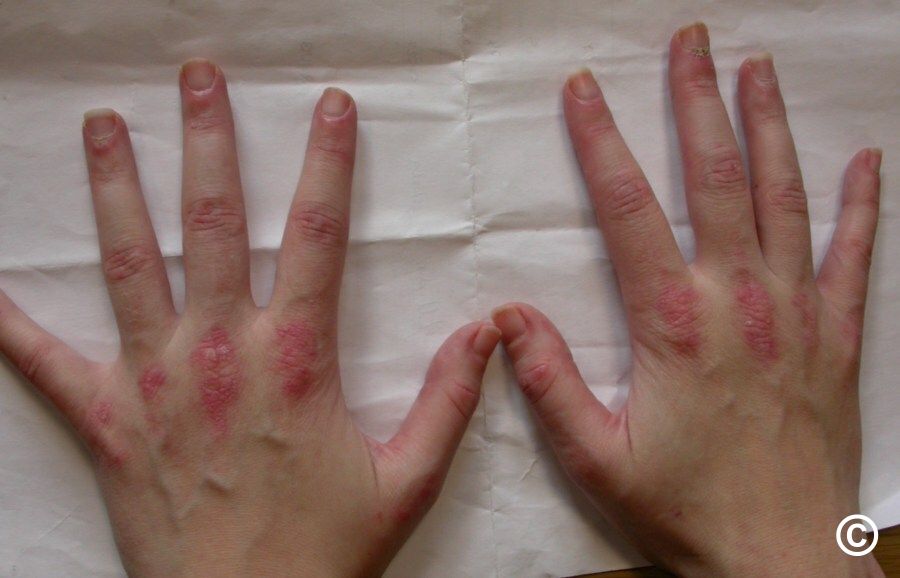
| Gottron's papules | Small red-purple bumps and plaques over the knuckles and the finger joints (DermNet, PCDS). The same redness appearing as flat patches over the backs of the hands, elbows and knees is called Gottron's sign (DermNet). |
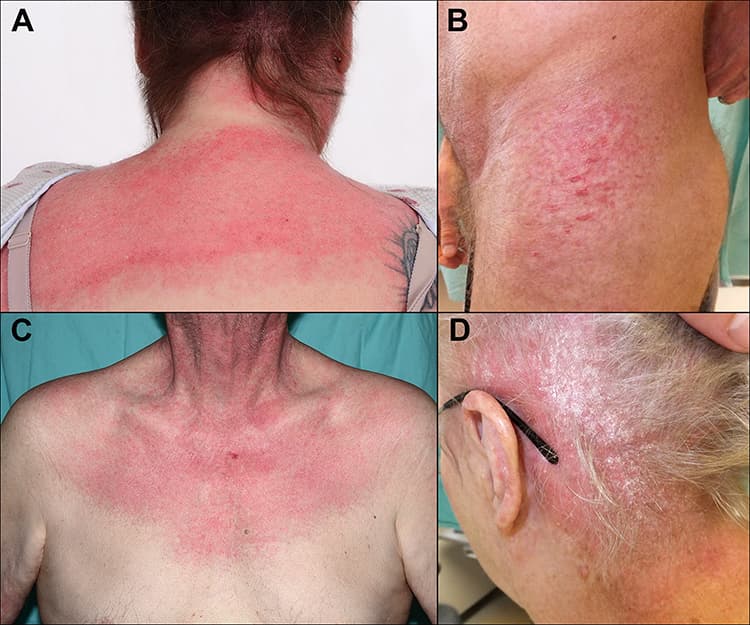
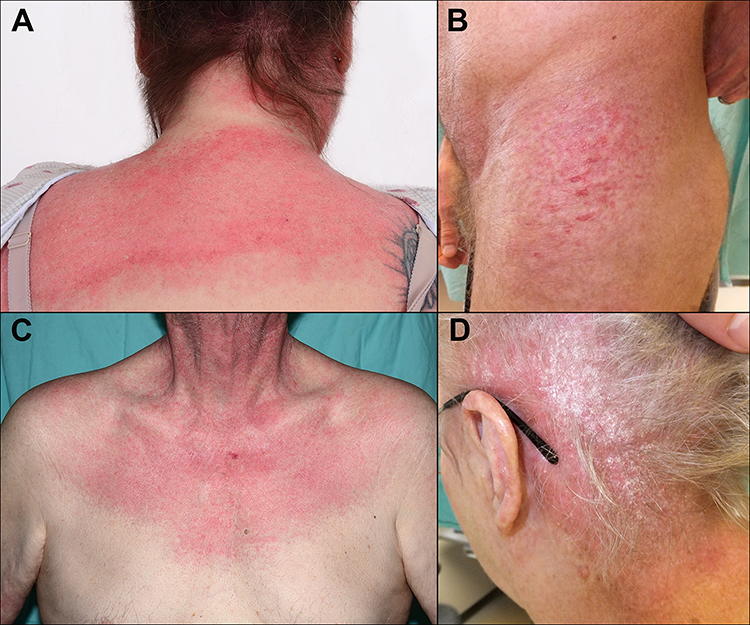
| Shawl sign | Fixed redness over the upper back, shoulders and back of the neck, in the shape of a shawl; over time it can become mottled with thin skin and visible small vessels (poikiloderma) (DermNet, PCDS). |
| V sign | A sunburn-like red rash in the V of the chest and on the front of the neck, one of the photosensitive patterns (DermNet, BAD). |
| Holster sign | Redness over the buttocks and outer thighs (DermNet, PCDS). |
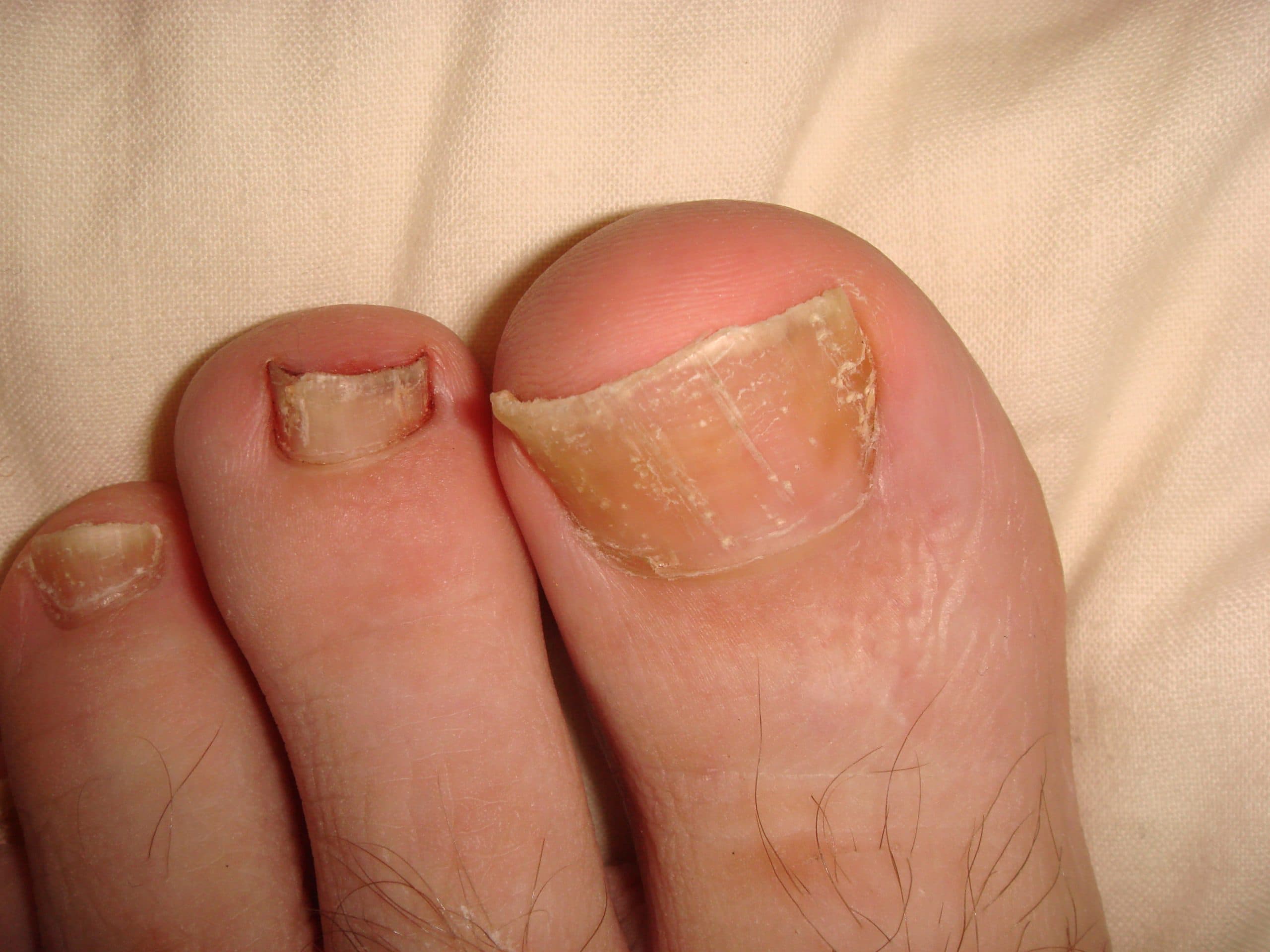
| Nail fold changes | Red, shiny skin at the base of the nails with ragged cuticles; under dermoscopy the tiny vessels there are dilated and irregular (DermNet, PCDS). |
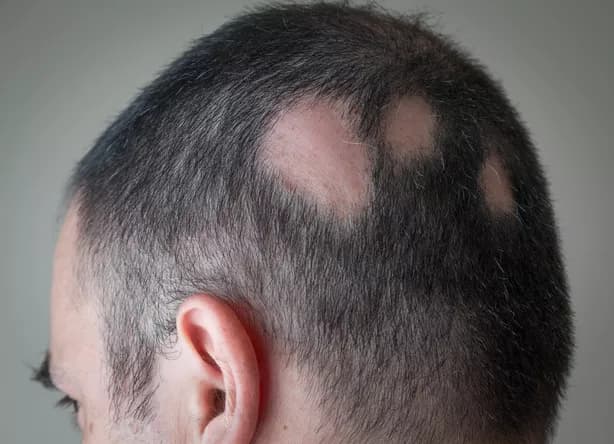
| Scalp | An itchy, scaly, inflamed scalp with diffuse thinning of the hair that does not scar (DermNet, PCDS, NORD). |
| Mechanic's hands | Thickened, cracked skin on the tips and edges of the fingers, seen mainly in the antisynthetase subtype (PCDS, DermNet antisynthetase). |
| Calcinosis | Hard white or yellow lumps of calcium under the skin, which can be sore and sometimes break through the skin (BAD, Myositis UK). Estimates range from 10 to 15 per cent of adults and 40 to 50 per cent of children (DermNet, DermNet JDM, PCDS). |
| Less common | Raynaud's phenomenon (fingers turning white then blue in the cold), mouth ulcers, chilblains, streaky "flagellate" redness, blisters, and ulcers of the skin in some antibody subtypes (DermNet, NHS Raynaud's). |
Dermatomyositis rash pictures: what the photos above show
The first image shows four views of the rash: the shawl sign over the upper back and shoulders, redness on the side of the neck, the V sign on the upper chest, and the scalp and temple with red, scaly skin and thinning hair. The second image shows Gottron's papules: red-purple, slightly raised bumps lined up over the knuckles of both hands, with ragged cuticles at the nail folds. A rash on the eyelids, knuckles or the V of the chest that worsens after sun is the pattern worth photographing for your doctor (DermNet, BAD).
Does the rash come and go?
Partly. Sunlight makes the rash worse, so it tends to flare after sun exposure (BAD, NORD). Rashes can fade, but they may be followed by darker patches, thinning or scarring of the skin, or pale patches (NORD). Residual hyperpigmentation can occur, particularly in skin of colour (PCDS).
Muscle symptoms
Muscle weakness can start at the same time as the rash or weeks, months or even years later (DermNet). It affects the muscles closest to the trunk, so the first signs are everyday tasks becoming hard (DermNet, NHS myositis, BAD):
- climbing stairs or getting up from a chair, a low seat or the floor;
- lifting objects, or raising the arms above the shoulders to comb hair or reach a shelf;
- raising the head from the pillow when lying down (NORD, Myositis UK);
- swallowing, or a voice that turns nasal or deeper (DermNet, Myositis UK).
The muscles may ache and feel tender or stiff, and tiredness is common (DermNet, BAD, TMA). Depression and a general feeling of unhappiness can be a sign of the disease before any muscle weakness (Myositis UK).
Dermatomyositis without muscle weakness
Some people have the typical rash but no muscle symptoms. This is called clinically amyopathic dermatomyositis, or dermatomyositis sine myositis, and estimates of how common it is range from 5 to over 20 per cent of patients (PCDS, TMA). Skin changes are the only sign at the start in up to 40 per cent of people (NORD). Investigations often still find muscle inflammation (DermNet, TMA).
Beyond skin and muscle
- Swallowing: weak throat and gullet muscles cause food to stick, choking or coughing when eating, reflux, weight loss and chest infections from food going the wrong way (DermNet, BAD, NHS dysphagia).
- Lungs: interstitial lung disease (inflammation and scarring of the lung tissue) affects up to 40 per cent and shows as progressive breathlessness and a dry cough (PCDS, DermNet); weak chest-wall muscles can make it hard to breathe deeply (BAD).
- Heart: rhythm disturbances are the commonest heart problem; they are usually silent unless the disease is advanced, and symptomatic heart involvement is rare (PCDS, BAD). Palpitations and dizzy spells are the symptoms to report, and a heart tracing (ECG) checks for them (BAD).
- Joints: pain or non-destructive arthritis of the small joints of the hands (PCDS, DermNet).
Dermatomyositis and cancer
In adults, dermatomyositis is strongly linked with cancer: up to 25 per cent, or 1 in 4, have an undiagnosed cancer at the time the skin and muscle disease is found, most often an adenocarcinoma (DermNet, BAD). The cancer may be found before, at the same time as, or after the dermatomyositis (NORD). Sites reported most often are the gut, lungs, breast, ovary, cervix, pancreas and lymph glands (NORD, PCDS). Children with juvenile dermatomyositis do not share this risk (DermNet JDM, PCDS); cancer is rare in children with dermatomyositis (BAD).
Risk is higher with onset after 45, in men, with swallowing difficulty, skin ulcers or vasculitis, with a rapid onset, and with certain antibodies (anti-TIF1 gamma and anti-NXP2), while skin-only disease carries a lower risk (PCDS, DermNet). Every adult therefore gets age-appropriate cancer screening: basic blood and urine tests and a chest X-ray for low-risk patients, and CT scans, ultrasound and the usual screening tests for intermediate and high-risk patients (DermNet). Keep attending national screening programmes (BAD), and tell your doctor about unexplained weight loss, a change in bowel habit, bleeding from the back passage, a cough lasting more than three weeks, blood in the urine or night sweats (BAD). Dermatomyositis is one of the skin conditions that can signal an internal cancer.
When to see a doctor
See a GP or dermatologist promptly if you notice a new purple rash on the eyelids, knuckles, chest or upper back, especially one that worsens after sun, or if you have weakness climbing stairs, standing up or lifting your arms (NHS myositis, BAD). Suspected dermatomyositis needs urgent referral to a specialist (PCDS). Call 112 (999 in the UK) for sudden chest pain or discomfort that does not go away, pain spreading to an arm, the neck, jaw, stomach or back, or chest pain with sweating, sickness, light-headedness or shortness of breath (NHS chest pain). Contact your doctor promptly about coughing or choking when you eat or drink, food coming back up, increasing breathlessness, palpitations or dizzy spells (NHS dysphagia, BAD).
How dermatomyositis is diagnosed
The diagnosis is suggested by the rash and the pattern of weakness and confirmed by tests (DermNet). The myositis antibody blood test is one of several steps (DermNet, BAD, MedlinePlus):
- Muscle enzymes: creatine kinase (CK), aldolase, AST and LDH leak from inflamed muscle into the blood; they can be normal when only the skin is affected (DermNet, Myositis UK, PCDS).
- Myositis-specific antibodies: each predicts a pattern. Anti-Mi-2 goes with disease mainly in the skin; anti-TIF1 gamma with cancer-associated disease in older adults; anti-MDA5 with rapidly progressive lung disease and skin ulcers; anti-NXP2 with marked muscle disease and calcinosis; anti-Jo-1 and related antibodies with antisynthetase syndrome (DermNet, DermNet antisynthetase).
- Other blood tests: a raised ESR with a normal or low CRP is typical (PCDS).
- Skin biopsy: shows an "interface dermatitis" similar to cutaneous lupus, so the biopsy alone cannot separate the two; the clinical pattern does (DermNet, NHS biopsy).
- Nail fold dermoscopy: a hand-held magnifier shows the dilated, irregular capillaries at the nail base (DermNet, PCDS).
- Muscle tests: MRI of the affected muscles, electromyography (a tiny needle in the muscle detects its electrical impulses) and a muscle biopsy, a minor procedure usually done under local anaesthetic (DermNet, BAD, NHS MRI, Myositis UK, Hopkins).
- Organ checks: lung function tests and a chest CT, an ECG, a swallowing study, and the cancer screening described above (MedlinePlus, DermNet, BAD).
What else could it be?
| Condition | How it differs |
|---|---|
| Cutaneous lupus | The butterfly rash of lupus spares the folds beside the nose, while the dermatomyositis face rash involves them; lupus spares the knuckles, where Gottron's papules sit. The skin biopsy looks the same, so these clues and the antibodies decide (PCDS, DermNet, DermNet cutaneous lupus). |
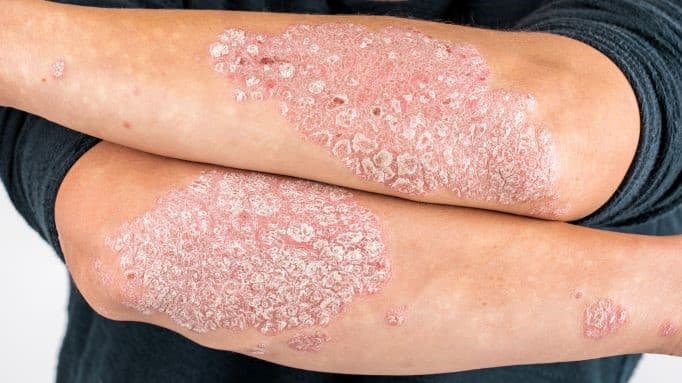
| Psoriasis | Well-defined red plaques with silvery scale on elbows, knees and scalp, without eyelid colour change or weakness (DermNet psoriasis, DermNet scalp psoriasis). |
| Seborrhoeic dermatitis | Scale and redness on the scalp, eyebrows and sides of the nose, with no purple eyelids or knuckle papules (DermNet seborrhoeic dermatitis). |
| Allergic contact dermatitis | Itchy dermatitis where a hair dye, cosmetic or other contact allergen touched the skin (DermNet allergic contact dermatitis). |
| Rosacea | Persistent flushing of the cheeks, nose and chin in adults over 30, with no knuckle or eyelid signs (DermNet rosacea). |
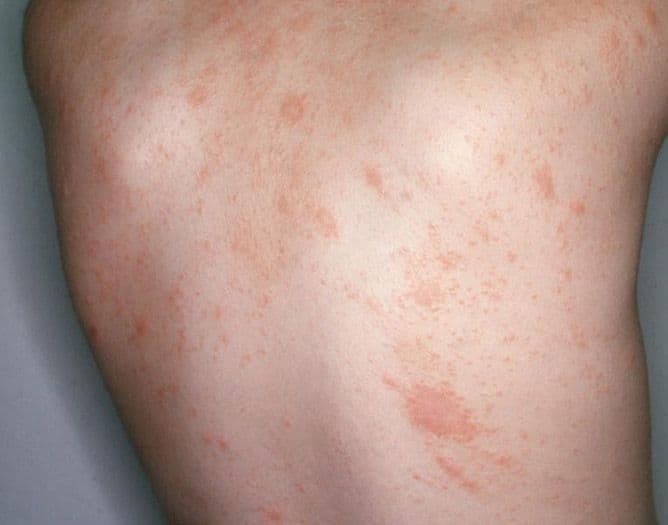
| Polymorphic light eruption | A sun-triggered rash without eyelid colour change, knuckle papules, nail fold changes or weakness (DermNet photosensitivity). |
| Hair shedding (telogen effluvium) | Diffuse shedding after an illness or stress without an inflamed, scaly scalp; other causes of hair loss are covered separately (DermNet telogen effluvium, NHS hair loss). |
| Antisynthetase syndrome | A related myositis with mechanic's hands, fever, arthritis, Raynaud's and lung disease, defined by anti-Jo-1-type antibodies (DermNet antisynthetase, PCDS). |
| Polymyositis, inclusion body myositis | Muscle weakness without the rash; inclusion body myositis affects men over 50 with slowly progressive weakness of the hands and feet (DermNet, PCDS, MedlinePlus). |
| Other connective tissue diseases | Raynaud's phenomenon and nail fold capillary changes occur across several connective tissue diseases, so on their own they support the diagnosis without proving it (DermNet SLE, NHS Raynaud's). |
Treatment
Dermatomyositis has no cure. Treatment aims to control it, with stronger medicines when the disease is active and fewer or milder ones when it settles; the disease often goes into remission after several years (BAD). Care usually involves a dermatologist, the hospital specialists who treat myositis, a physiotherapist and, when the lungs or swallowing are affected, a chest specialist and a speech and language therapist (DermNet JDM, NHS myositis, Hopkins).
Protecting the skin
- Sun protection every day: ultraviolet light flares the rash (DermNet). Stay in the shade in the middle of the day (10am to 3pm), wear a wide-brimmed hat, protective clothing and large UV-protective sunglasses, and apply plenty of SPF 50 or higher sunscreen with the UVA circle logo or 4 to 5 UVA stars 15 to 30 minutes before going out, then every two hours (BAD). Never let the skin burn (NHS sun safety).
- Steroid creams or ointments for the rash, including on the face; the usual leaflet caution against facial use does not apply here, because the benefits outweigh the risks (BAD). Non-steroidal prescription ointments that calm the immune reaction in the skin are an alternative (DermNet, PCDS).
- A tablet originally used against malaria helps the rash in some people, although skin side effects are commoner in dermatomyositis than in lupus (BAD, DermNet).
Controlling the muscle and systemic disease
- Steroid tablets are the first treatment: a high dose to bring the inflammation down, then a slow reduction over weeks or months, often with a low maintenance dose afterwards. Side effects of long-term use (stomach irritation, bone thinning, diabetes, cataracts, weight gain) are monitored, and a medicine to protect the stomach or bones may be prescribed. Never stop steroids suddenly after more than six weeks of use (BAD, MedlinePlus, NHS steroids).
- Immune-suppressing medicines are added so the steroid dose can come down, or used instead of steroids; they need regular blood tests (BAD, Myositis UK, MedlinePlus).
- Immunoglobulin infusions, made from antibodies in donated blood, and antibody (biologic) infusions are used when the disease stays active (NHS myositis, BAD, DermNet).
- Newer options: an oral medicine that blocks an inflammatory signalling pathway was approved for adult dermatomyositis in the United States in August 2026, and several related drugs are in trials (DermNet). Ask your specialist what is available where you live.
- Physiotherapy and exercise are encouraged from early on to protect and rebuild muscle strength (DermNet, NHS myositis, Myositis UK, NHS physiotherapy). Rest is needed in the acute phase (PCDS).
- For swallowing problems: raising the head of the bed and speech and language therapy (DermNet, NHS myositis).
- Calcinosis: no medicine reliably clears it; painful or troublesome lumps can be removed surgically (BAD, Myositis UK, DermNet JDM).
- Treating a cancer that is found can improve the rash and weakness (MedlinePlus).
Living with dermatomyositis
Daily sun protection, a regular exercise programme agreed with your physiotherapist, and attending every cancer screening appointment are the things most within your control (BAD, Myositis UK). There is a slight chance of a flare with hormonal changes, particularly in pregnancy, so discuss a planned pregnancy or the oral contraceptive pill with your specialist in advance (Myositis UK). Tiredness and low mood are part of the illness and are worth raising at appointments (TMA, Myositis UK). Some people need a wheelchair from time to time (Myositis UK).
Juvenile dermatomyositis
Juvenile dermatomyositis is the commonest inflammatory muscle disease of childhood, affecting 2 to 4 children per million a year, girls five times more often than boys, with a peak onset at 5 to 10 years (DermNet JDM). The skin signs are the same, and skin ulcers occur in about 20 per cent; calcinosis affects 40 to 50 per cent, usually one to three years after onset, and is linked to delayed treatment (DermNet JDM, PCDS). Unlike adult disease, it is not associated with cancer (DermNet JDM, PCDS). Lung, heart and bowel involvement are rare but serious, so breathlessness or abdominal symptoms in a child with the condition need prompt review (DermNet JDM, NORD). Treatment starts with high-dose steroids plus a steroid-sparing medicine, together with sun protection, adequate vitamin D and calcium, and physiotherapy (DermNet JDM). About a third of children stop treatment within two years and stay in remission, a quarter relapse after a remission, and the rest have a chronic course (DermNet JDM).
Outlook
About 20 per cent of adults see the disease resolve; most need long-term treatment (DermNet), often at a lower level once the disease settles into remission after several years (BAD). The outlook is worse when cancer, lung disease or heart involvement is present, and in the anti-MDA5 subtype with rapidly progressive lung disease (DermNet, PCDS, MedlinePlus). The main causes of death are cancer and lung disease (MedlinePlus). People without muscle involvement or calcinosis do better (PCDS). The disease is rarely fatal, and for most people it becomes a long-term condition to live with (Myositis UK).
Online dermatologist consultation
If you have a purple rash on your eyelids, knuckles or chest and are not sure what it is, you can book an online consultation. Photograph the eyelids with the eyes closed, the backs of both hands close up, the nail folds, the chest and upper back, and the scalp, and describe any weakness, swallowing problems, breathlessness, sun sensitivity and how long the rash has been present. The iDerma dermatologist will say whether the pattern fits dermatomyositis or one of its look-alikes and which tests and referral to ask your GP for. Blood tests, muscle imaging, biopsies and cancer screening are arranged through your GP and hospital specialists; an online consultation does not replace them.
What to do now
- Book a GP or dermatologist appointment now and ask about muscle enzyme and myositis antibody blood tests and a specialist referral (PCDS, BAD, NHS myositis).
- Photograph the rash on the eyelids, knuckles, chest and back and note when it started and whether sun makes it worse (BAD, DermNet).
- Note any weakness on the stairs or getting up from a low chair, and any aching or swallowing difficulty, to report at the appointment (NHS myositis, DermNet).
- Start strict sun protection now: shade, hat, clothing and SPF 50+ sunscreen (BAD, NHS sun safety).
- Call 112 (999 in the UK) for sudden chest pain that does not go away or spreads to an arm, the neck, jaw, stomach or back (NHS chest pain); contact your doctor promptly about choking when eating, worsening breathlessness, palpitations or dizzy spells (NHS dysphagia, BAD).